Apple’s 2026 smartwatch lineup is focused and deliberate. Three core models cover the market: the Series 11 as the everyday flagship, the SE 3 for shoppers prioritizing value, and the Ultra 3 for endurance athletes and outdoor adventurers. Within those tiers, choices come down to size, color, and whether you need cellular connectivity. All three models run watchOS 26, share the S10 processor, and require an iPhone with iOS 19 or later.
Prices start at $219 for the SE 3, $299 for the Series 11, and $768 for the Ultra 3. Older models, such as the Series 9 and Series 10, may still be available through third-party retailers, but they are no longer part of Apple’s current official lineup.
When Apple Watch launched in 2015, it was primarily a notification hub strapped to your wrist. By 2026, the device will have shifted decisively toward health monitoring. FDA-cleared ECG readings, blood oxygen tracking, sleep apnea detection, hypertension alerts, and skin temperature sensing are now central features on premium models, not add-ons.
This guide is written for making a purchase decision in 2026, whether you’re a first-time buyer, upgrading from an older Series model, or deciding whether the Ultra 3 is worth its considerable price premium. It is not written for Android users, people seeking multi-week battery life, or buyers whose primary concern is standalone GPS accuracy for professional endurance sports. Those users would be better served by Garmin’s lineup.
The goal here is straightforward: help you pick the right watch for your life without overselling any of them.
Quick View Table
| Model | Best For | Battery Life | Standout Feature |
|---|---|---|---|
| Series 11 GPS 42mm | Everyday premium use, average wrists | 20–24 hours | ECG + hypertension alerts |
| Series 11 GPS 46mm | Larger wrists, better screen readability | 20–24 hours | Bigger display, same full sensor suite |
| Series 11 42mm Rose Gold | Style-conscious users | 20–24 hours | Warmer aesthetic, complete health suite |
| Series 11 42mm Space Gray | Professional look, neutral everyday wear | 20–24 hours | Versatile colorway, premium sensors |
| SE 3 GPS 40mm Starlight | First-time buyers, small wrists | 16–18 hours | Sleep apnea detection at entry price |
| SE 3 GPS 40mm Midnight | Budget buyers preferring darker finish | 16–18 hours | Modern aesthetic, core smartwatch features |
| SE 3 GPS 44mm Midnight | Budget buyers needing a larger screen | 16–18 hours | Bigger display at affordable price |
| Ultra 3 GPS + Cellular 49mm | Endurance athletes, adventurers | 36–42 hours | Satellite connectivity, depth gauge, MIL-STD 810H |
1. Apple Watch Series 11 GPS 42mm
Best for: iPhone users who want the full Apple Watch health and fitness experience in a comfortable, everyday size.
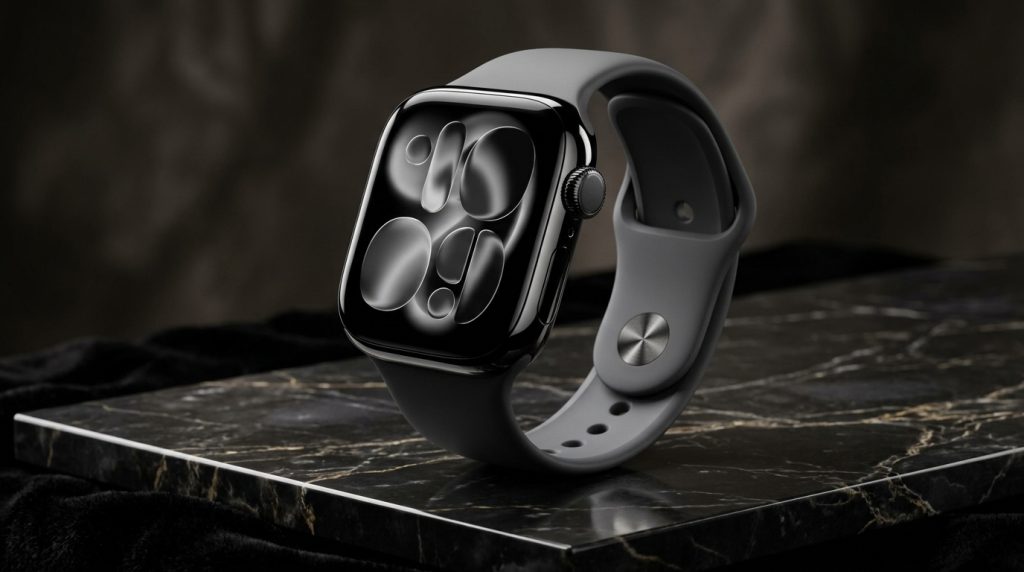
Apple Watch Series 11 GPS 42mm
Real-World Use: How It Actually Performs
Battery in Daily Use. In real-world testing with the always-on display enabled and one or two workouts logged, the Series 11 42mm consistently delivers 20 to 24 hours of use. With lighter usage and the always-on display disabled, some users report stretching it to around 30 hours. Fast charging brings the battery to 80 percent in approximately 30 minutes, which helps if you forgot to charge overnight.
Health & Fitness Accuracy The Series 11 includes an FDA-cleared ECG, blood oxygen sensor, skin temperature sensor, hypertension alerts, and sleep apnea detection. Heart rate tracking is accurate and has been shown to outperform the Garmin Venu 4 in controlled tests. Step counting comes in at less than one percent error. Workout detection is reliable, and the suite of tools is genuinely useful for health awareness, not just metrics collection.
Smart Features & iPhone Integration: Pairing with iPhone is seamless. The watch syncs automatically to the Health app, supports Apple Pay, Find My, Apple Fitness+, and on-device Siri. The S10 chip handles performance smoothly with no noticeable lag in everyday navigation or app use. The UWB chip enables precision finding with compatible iPhone models.
Durability and Comfort The aluminum case offers 50-meter water resistance and 2x scratch resistance on the display. It is available in a titanium option if you want added durability. The 42mm size sits comfortably on average wrists without feeling oversized, a genuine advantage over the 46mm for users with narrower wrists.
Long-Term Usability Apple has a consistent track record of supporting Watch models with software updates for several years after release. The S10 processor provides meaningful headroom for future watchOS versions. Realistically, this watch should remain fully functional and supported for four to five years with normal use.
Strengths
- Full advanced health sensor suite, including ECG and hypertension alerts
- Comfortable size for average and smaller wrists
- Fast charging (80% in ~30 minutes)
- Accurate heart rate and step tracking
- Smooth performance via the S10 chip
- Strong iPhone and Health app integration
Weaknesses
- Requires daily charging
- No satellite connectivity (cellular requires a separate plan)
- Premium sensors not available on SE 3 may not be necessary for all users
Who Should Buy This
- iPhone users upgrading from an SE or older Series model
- People who want complete health monitoring without a massive wrist footprint
- Users who prioritize comfort and wearability over screen size
- Anyone who values fast charging as a practical daily convenience
Who Should Skip This
- Users who want a multi-day battery without thinking about charging
- Outdoor athletes needing rugged durability or satellite connectivity
- Budget-conscious shoppers who do not need ECG or blood oxygen
- People with larger wrists who find the 42mm screen limiting
Verdict: The Series 11 42mm is the clearest recommendation for the majority of iPhone users. It delivers every meaningful health and fitness feature Apple offers at the entry Series 11 price, in a size that most people will actually wear all day comfortably. If you are upgrading from any model older than Series 10, the difference will be noticeable.
View on Amazon: Apple Watch Series 11 GPS 42mm
2. Apple Watch Series 11 GPS 46mm
Best for: Users with larger wrists, or anyone who prioritizes screen readability for maps, workouts, and text.
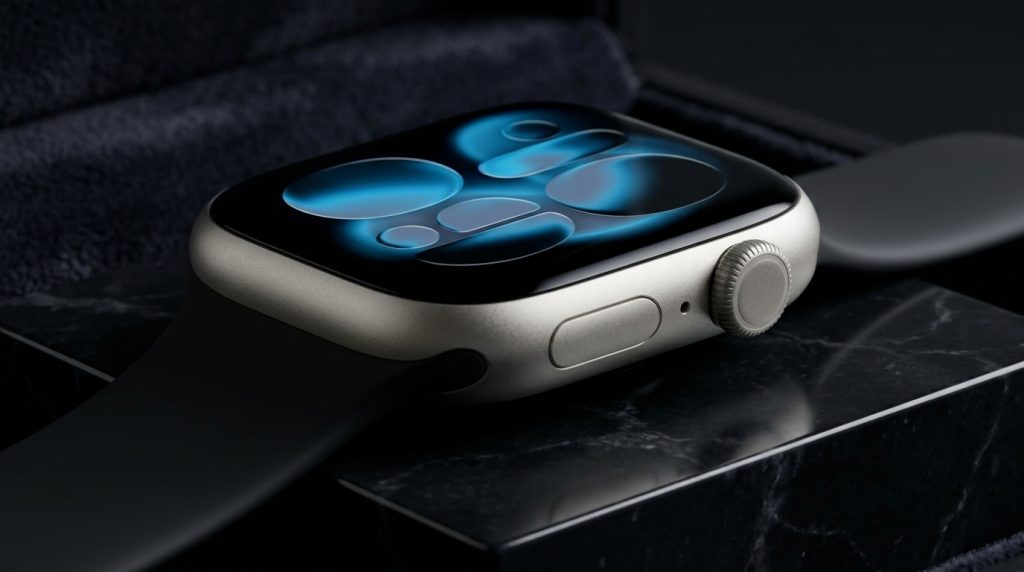
Apple Watch Series 11 GPS 46mm
Real-World Use: How It Actually Performs
Battery in Daily Use Battery performance mirrors the 42mm, expect 20 to 24 hours in typical use with the always-on display active, extending toward 30 hours with lighter use. Fast charging behavior is identical, reaching 80 percent in approximately 30 minutes.
Health & Fitness Accuracy The sensor suite is identical to the 42mm: ECG, blood oxygen, skin temperature, hypertension alerts, and sleep apnea detection. Tracking accuracy is consistent across the size variants. There is no functional health or fitness advantage to choosing the 46mm over the 42mm.
Smart Features & iPhone Integration All smart features, chip performance, and iPhone integration are the same as the 42mm. The larger display does make navigating apps, reading notifications, and viewing maps measurably easier, particularly for users who find smaller watch faces straining.
Durability and Comfort Same 50-meter water resistance and 2x scratch resistance as the 42mm. The larger case provides a bigger canvas but adds noticeable bulk, especially for narrower wrists. Users with larger hands or wider wrists typically find the 46mm proportionally appropriate.
Long-Term Usability Identical software support trajectory as the 42mm. The larger display may prove more useful over time as watchOS adds features that take advantage of screen real estate.
Strengths
- Larger, easier-to-read display
- Full advanced health sensor suite
- Same fast charging as 42mm
- Better visibility for workouts, maps, and messaging
- Appropriate proportion for larger wrists
Weaknesses
- Noticeably bulkier on smaller or narrower wrists
- $30 more expensive than the 42mm at baseline ($329+)
- No functional health or performance advantage over 42mm
- Same daily charging limitation
Who Should Buy This
- Users with larger wrists who find the 42mm visually cramped
- People who use the watch heavily for navigation or reading notifications
- Anyone with vision considerations that benefit from a bigger display
Who Should Skip This
- Users with average or small wrists, the bulk will become noticeable quickly
- Anyone choosing between sizes primarily for health features, there are none to gain here
- Budget-conscious buyers who can live with the 42mm screen
Verdict The 46mm is the right choice only if size is genuinely the deciding factor. It costs more and wears larger, but the display improvement is real for those who need it. Do not choose it expecting better health tracking, you will not get it. Choose it because the bigger screen makes your daily use noticeably better.
View on Amazon: Apple Watch Series 11 GPS 46mm
3. Apple Watch Series 11 GPS 42mm — Rose Gold / Light Blush
Best for: Style-conscious users who want the full Series 11 health suite in a warmer, more fashion-forward colorway.
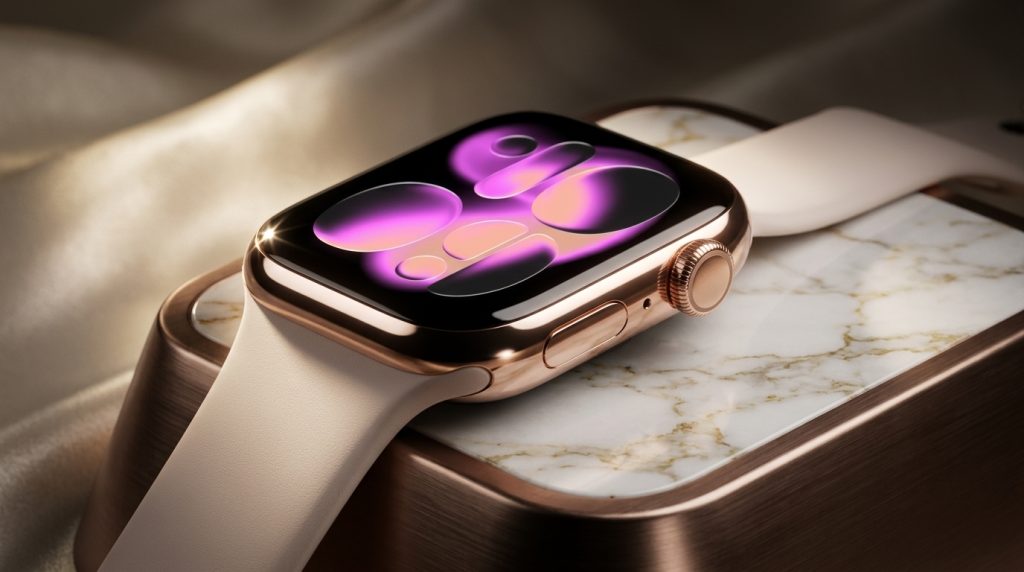
Apple Watch Series 11 GPS 42mm — Rose Gold / Light Blush
Real-World Use: How It Actually Performs
Battery in Daily Use Battery performance is identical to the standard Series 11 42mm. Expect 20 to 24 hours of typical daily use with the always-on display enabled. Fast charging reaches 80 percent in approximately 30 minutes.
Health & Fitness Accuracy All health sensors are identical to the standard 42mm: ECG, blood oxygen, skin temperature, hypertension alerts, and sleep apnea detection. The colorway does not affect sensor performance in any way.
Smart Features & iPhone Integration Full S10 chip performance, UWB precision finding, Apple Pay, Health app syncing, and Siri, all consistent with the rest of the Series 11 line.
Durability and Comfort 50-meter water resistance and 2x scratch-resistant display are standard. The aluminum case carries the same durability as other Series 11 aluminum variants. The Light Blush sport band is a comfortable daily wear option.
Long-Term Usability Same software update trajectory as all Series 11 models. The rose gold and blush colorway is a personal aesthetic choice that has no bearing on functional longevity.
Strengths
- Complete advanced health feature set
- Distinctive, fashion-forward colorway
- Comfortable 42mm size for everyday wear
- Same fast charging and sensor accuracy as standard Series 11
Weaknesses
- Colorway appeal is subjective, not universally preferred
- No functional differentiation from the standard 42mm
- Daily charging still required
Who Should Buy This
- Users who want the full Series 11 feature set and prefer warmer, softer aesthetics
- People who coordinate their watch with their wardrobe
- Gift buyers looking for a more distinctive option than the standard colorways
Who Should Skip This
- Users who prefer neutral or professional-looking finishes
- Anyone primarily focused on performance, this adds nothing functionally
- Those considering the titanium option for added durability
Verdict This is the Series 11 42mm with a different coat of paint, and that is entirely fine if the color speaks to you. All the functionality is here. The decision is purely aesthetic, so let your personal preference guide it rather than any performance consideration.
View on Amazon: Apple Watch Series 11 GPS 42mm — Rose Gold / Light Blush
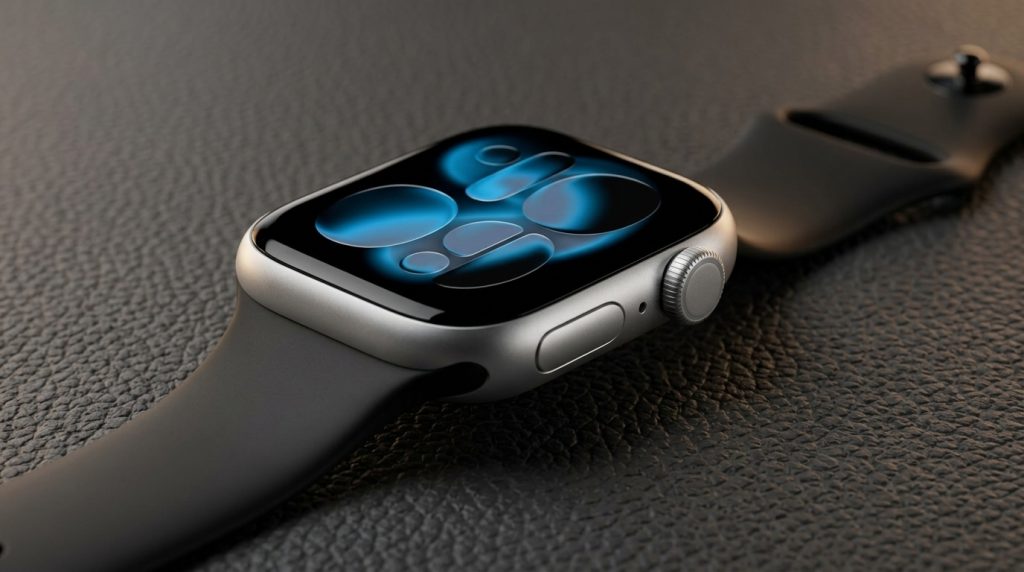
4. Apple Watch Series 11 GPS 42mm — Space Gray / Black
Best for: Users who want a professional, understated everyday look without sacrificing any Series 11 health features.
Apple Watch Series 11 GPS 42mm — Space Gray / Black
Real-World Use: How It Actually Performs
Battery in Daily Use Identical to all Series 11 42mm variants: 20 to 24 hours under typical daily use, with fast charging to 80 percent in roughly 30 minutes.
Health & Fitness Accuracy The full Series 11 health suite is present, ECG, blood oxygen, skin temperature, hypertension alerts, and sleep apnea detection. No difference from any other 42mm configuration.
Smart Features & iPhone Integration S10 chip, UWB chip, Apple Pay, Health app, on-device Siri, and Apple Fitness+ all function identically to the rest of the Series 11 lineup.
Durability and Comfort 50-meter water resistance with 2x scratch resistance. The Space Gray and Black combination is one of the more wear-resistant-looking colorways in practice, minor scuffs and everyday marks are less visible than on lighter finishes.
Long-Term Usability The neutral colorway ages well and avoids looking dated as fashion trends shift. Functionally identical lifespan to all Series 11 models.
Strengths
- Versatile, neutral colorway suitable for work and casual wear
- Full advanced health sensor suite
- Minor scuffs less visually noticeable on darker finish
- Professional appearance without titanium pricing
Weaknesses
- Listed at $369+, making it among the pricier 42mm configurations despite no functional difference
- No performance or health feature differentiation from lower-priced 42mm variants
- Daily charging remains a requirement
Who Should Buy This
- Professionals who wear their watch in office or formal settings
- Users who want a neutral colorway that works across most outfits
- Anyone who finds bright or warm watch colors impractical for their lifestyle
Who Should Skip This
- Price-sensitive buyers, the standard 42mm starts at $299 with identical functionality
- Users looking for maximum durability who should consider the titanium case option instead
- Those who prefer lighter or more expressive colorways
Verdict The Space Gray / Black configuration is a solid, practical choice for users who prize a clean, professional look. However, at $369+, you are paying a premium over other 42mm configurations for aesthetics alone. If that colorway works best for your life, the price difference is likely worth it. If it does not, the standard 42mm at $299 is functionally identical.
View on Amazon: Apple Watch Series 11 GPS 42mm — Space Gray
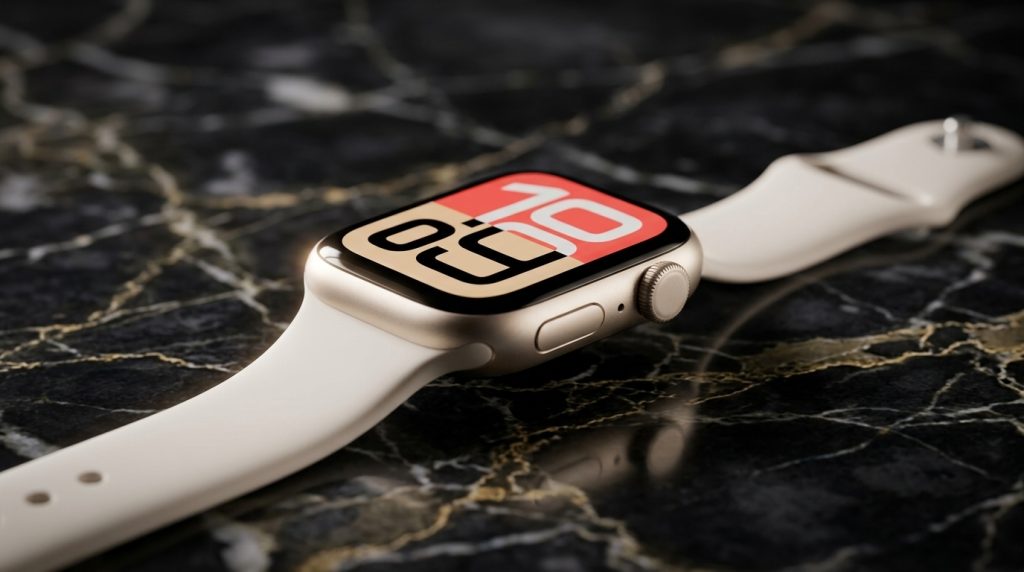
5. Apple Watch SE 3 GPS 40mm — Starlight
Best for: First-time Apple Watch buyers, those on a strict budget, or users with smaller wrists who need core smartwatch features without the full Series 11 price.
Apple Watch SE 3 GPS 40mm — Starlight
Real-World Use: How It Actually Performs
Battery in Daily Use Real-world battery life lands between 16 and 18 hours, which is sufficient for a full waking day but tight for anyone who sleeps with their watch or skips charging. Unlike the Series 11, the SE 3 does not support fast charging to the same 80-percent-in-30-minutes threshold. Plan on overnight charging as the standard routine.
Health & Fitness Accuracy The SE 3 includes wrist temperature sensing (useful for cycle tracking), sleep apnea detection, heart rate monitoring, fall and crash detection, and step counting. It does not include ECG, blood oxygen sensing, or hypertension alerts. For users who do not specifically need those advanced sensors, the SE 3’s health toolkit is genuinely useful. For users who do need them, the SE 3 is the wrong watch.
Smart Features & iPhone Integration The SE 3 runs watchOS 26 on the S10 chip, providing smooth performance, on-device Siri, Apple Pay, Health app syncing, Apple Fitness+, and Find My. Smart feature parity with the Series 11 is strong, the gaps are in health sensors, not core smartwatch functionality.
Durability and Comfort The SE 3 uses an aluminum case with 50-meter water resistance. Notably, it carries 4x crack resistance compared to the Series 11’s 2x scratch resistance, a different trade-off that may favor users prone to dropping their watch. The 40mm size is genuinely compact and comfortable on smaller wrists.
Long-Term Usability The S10 chip provides solid headroom for future watchOS updates. Apple has historically supported SE models for several years. For budget buyers, this is a reasonable long-term investment.
Strengths
- Lowest entry price in the current lineup at $219
- Comfortable, compact 40mm size for smaller wrists
- 4x crack-resistant display
- Core smartwatch features fully intact
- Sleep apnea detection included
- S10 chip for smooth, future-ready performance
Weaknesses
- No ECG, blood oxygen, or hypertension alerts
- Shorter battery life (16–18 hours) compared to Series 11
- Dimmer display at 1,000 nits vs. 2,000 nits on Series 11
- Aluminum only, no titanium option
Who Should Buy This
- First-time Apple Watch buyers testing the ecosystem
- Users with smaller wrists who find 42mm+ watches physically uncomfortable
- Budget-conscious shoppers who do not need advanced health sensors
- Parents buying a first smartwatch for a teenager or college student
- Users primarily interested in notifications, fitness basics, and Apple Pay
Who Should Skip This
- Anyone with specific interest in ECG, blood oxygen, or hypertension monitoring
- Users who want to track overnight sleep and avoid daily charging anxiety
- Those upgrading from a Series 7 or later, the feature gap may not justify a new purchase
Verdict: The SE 3 40mm Starlight delivers approximately 80 to 90 percent of the Apple Watch experience at roughly half the Series 11 price. That is a genuinely compelling trade-off for the right buyer. The missing sensors are real limitations, but if you do not need them, you will not miss them. It is the most practical recommendation for first-time buyers and budget-focused shoppers.
View on Amazon: Apple Watch SE 3 GPS 40mm — Starlight
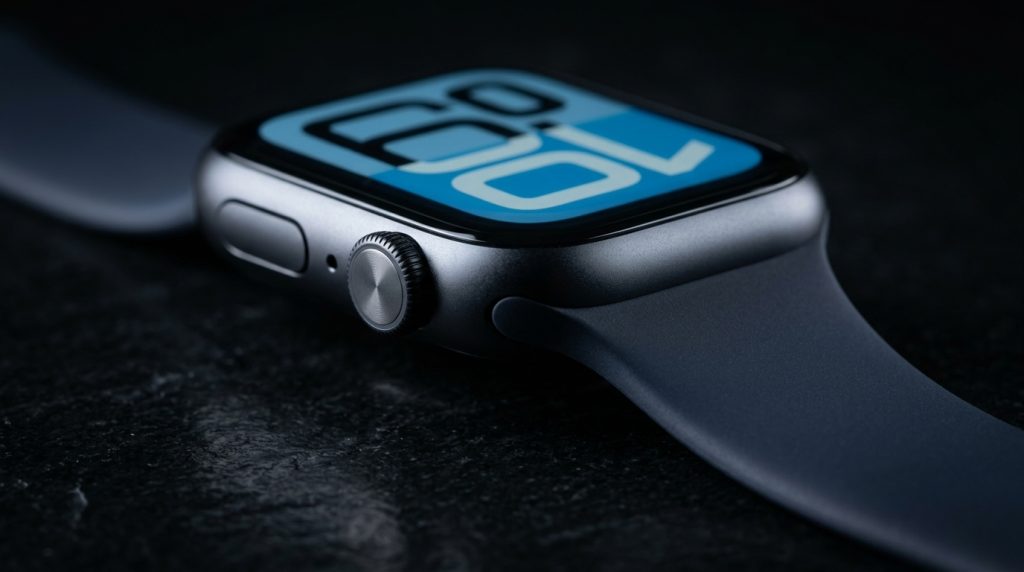
6. Apple Watch SE 3 GPS 40mm — Midnight
Best for: Budget-conscious users who prefer a darker, more modern aesthetic with the same core SE 3 feature set.
Apple Watch SE 3 GPS 40mm — Midnight
Real-World Use: How It Actually Performs
Battery in Daily Use Identical to the Starlight 40mm: 16 to 18 hours of real-world use. Plan on nightly charging.
Health & Fitness Accuracy Same health suite as all SE 3 variants, wrist temperature, sleep apnea detection, heart rate monitoring, fall/crash detection, and step counting. No ECG, blood oxygen, or hypertension alerts.
Smart Features & iPhone Integration: Full watchOS 26 feature parity with the Starlight variant. The S10 chip ensures smooth performance across all standard smartwatch functions.
Durability and Comfort: Same 4x crack-resistant display and 50-meter water resistance as other SE 3 models. The Midnight finish tends to show fewer fingerprints than lighter colorways in day-to-day use.
Long-Term Usability Identical functional lifespan to the SE 3 Starlight. The darker finish ages well with minimal visible surface wear under normal conditions.
Strengths
- Same strong value proposition as SE 3 Starlight
- Modern, versatile dark colorway
- 4x crack-resistant display
- Full core smartwatch functionality via watchOS 26
- S10 chip for future-proofing
Weaknesses
- No ECG, blood oxygen, or hypertension alerts
- 16–18-hour battery requires nightly charging
- Dimmer display than Series 11 at 1,000 nits
Who Should Buy This
- SE 3 buyers who simply prefer darker watch aesthetics
- Users who want a neutral colorway that pairs well with most outfits
- Anyone who found the Starlight finish too light for their style
Who Should Skip This
- Users who need advanced health sensors, buy the Series 11 instead
- Anyone expecting a meaningful functional difference from the Starlight variant, there is none
Verdict: This is the SE 3 40mm in a different color. The decision between Starlight and Midnight is entirely personal preference. Both offer the same value, the same trade-offs, and the same limitations. Pick the one you will enjoy looking at every day.
View on Amazon: Apple Watch SE 3 GPS 40mm — Midnight
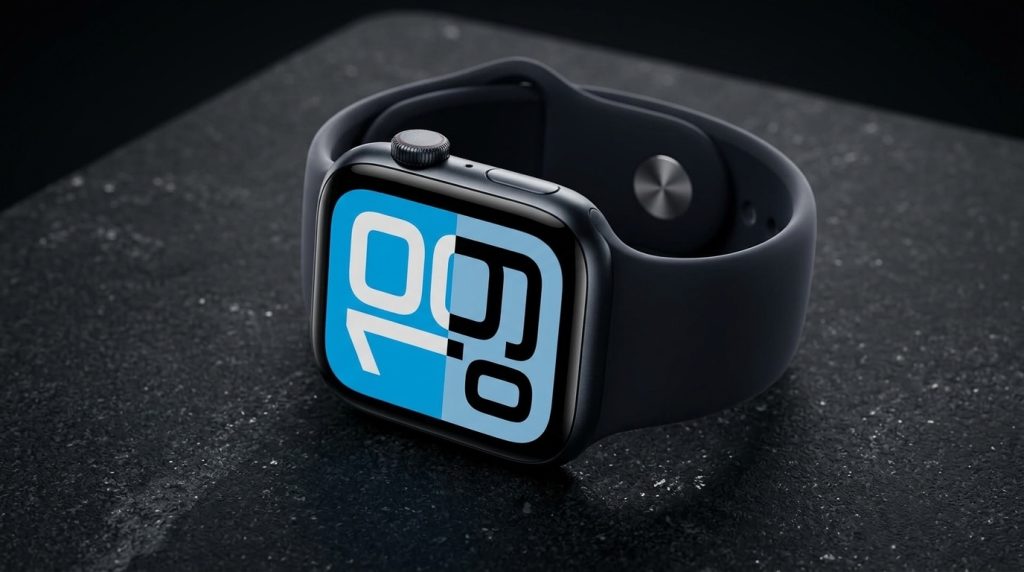
7. Apple Watch SE 3 GPS 44mm — Midnight
Best for: Budget buyers who need a larger display and have wrists proportional to a 44mm case.
Apple Watch SE 3 GPS 44mm — Midnight
Real-World Use: How It Actually Performs
Battery in Daily Use The 44mm SE 3 performs similarly to the 40mm in real-world testing: 16 to 18 hours is the realistic range. Nightly charging is the expected routine.
Health & Fitness Accuracy Identical health feature set to all SE 3 variants. Wrist temperature, sleep apnea detection, heart rate monitoring, fall/crash detection, and step counting are included. ECG, blood oxygen, and hypertension alerts are absent.
Smart Features & iPhone Integration The larger screen makes reading notifications, interacting with apps, and viewing workout data more comfortable. All smart features are consistent with the 40mm; the screen is bigger, but the capability set is the same.
Durability and Comfort: Same 4x crack-resistant display and 50-meter water resistance. The 44mm case is more comfortable for users with wider wrists but may feel oversized on smaller frames. It sits at $249, a $30 premium over the 40mm.
Long-Term Usability Same S10 chip, same software update path. The larger display may provide slightly more usability over time as watchOS features continue to scale.
Strengths
- Larger display improves readability at the SE 3 price tier
- Full core smartwatch functionality
- 4x crack-resistant display
- More comfortable fit for larger wrists
- Only $30 more than the 40mm for meaningful screen improvement
Weaknesses
- Still lacks ECG, blood oxygen, and hypertension alerts
- Same 16–18-hour battery limitation
- Feels bulky on smaller wrists
- Dimmer display at 1,000 nits vs. Series 11
View on Amazon: Apple Watch SE 3 GPS 44mm — Midnight
8. Apple Watch Ultra 3 GPS + Cellular 49mm
Best for: Endurance athletes, backcountry adventurers, and anyone who genuinely needs multi-day battery life, rugged durability, and satellite connectivity.
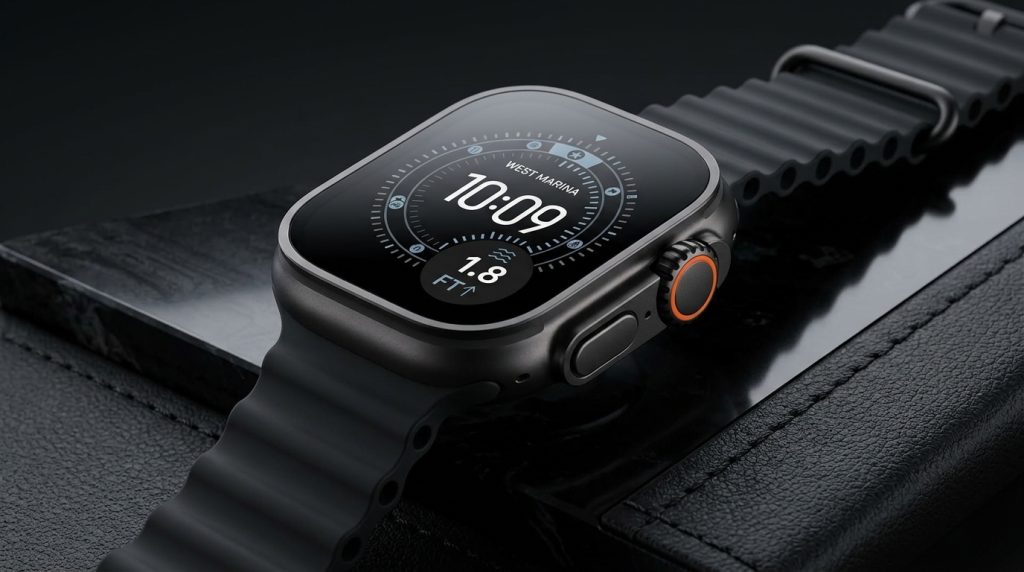
Apple Watch Ultra 3 GPS + Cellular 49mm
Real-World Use: How It Actually Performs
Battery in Daily Use: The Ultra 3 is in a different category from the rest of the lineup. In real-world testing with always-on display and regular workout tracking, it consistently delivers 36 to 42 hours. In low-power mode, it stretches to 72 hours. For multi-day hikes, ultramarathons, or triathlons where charging is not an option, this is genuinely useful endurance, not a marketing figure.
Health & Fitness Accuracy The Ultra 3 includes the full advanced health suite: ECG, blood oxygen, skin temperature, hypertension alerts, and sleep apnea detection. It adds a depth gauge for diving use and dual-frequency GPS for superior location accuracy in challenging terrain. Heart rate and step tracking accuracy match the Series 11, which already leads most competitors in testing.
Smart Features & iPhone Integration All Series 11 smart features are present, plus satellite connectivity for off-grid communication. The built-in Action button provides customizable quick-access controls. The siren feature (audible emergency signal) is a practical addition for solo outdoor use. 5G cellular and satellite together mean the Ultra 3 maintains connectivity where other watches lose signal.
Durability and Comfort The Ultra 3 is built to a different standard than the rest of the lineup. Titanium case construction, MIL-STD 810H certification, and 100-meter water resistance make it the only Apple Watch genuinely suited for harsh conditions. The sapphire crystal display is the most scratch-resistant in the lineup. The 49mm case is large and will feel substantial; some users find this reassuring, others find it cumbersome. It is not a watch for small wrists.
Long-Term Usability The Ultra 3 is built to last. Titanium construction ages better than aluminum under heavy use. Apple’s software support trajectory should keep it functional for five or more years. For serious athletes or professionals whose activities regularly test gear durability, the investment has a clear long-term rationale.
Strengths
- 36–42 hour real-world battery life, up to 72 in low-power mode
- MIL-STD 810H durability certification
- 100-meter water resistance
- Sapphire crystal display
- Dual-frequency GPS for accuracy in challenging terrain
- Satellite connectivity for off-grid use
- Full advanced health sensor suite, including depth gauge
- Built-in siren for emergency use
- Action button for customizable quick controls
Weaknesses
- The $768 starting price is significantly higher than that of any other model
- The 49mm case is too large for many wrists
- Overkill for casual everyday users, most of its features go unused
- Heavier and bulkier than Series 11 variants
Who Should Buy This
- Endurance athletes (ultramarathoners, triathletes, cyclists) who need a multi-day battery
- Hikers, mountaineers, and backcountry adventurers who need rugged durability and off-grid connectivity
- Divers who need depth gauge functionality and 100-meter water resistance
- Users whose daily life regularly exposes their gear to harsh physical conditions
- Anyone who finds the Series 11’s one-day battery genuinely limiting for their activities
Who Should Skip This
- Everyday users who primarily wear their watch in urban or suburban environments
- Anyone sensitive to wearing a large, heavy watch all day
- Budget-conscious buyers, you pay a 2.5x premium over Series 11 for features most users will never need
- Users who can charge nightly without issue and do not do extreme outdoor activities
Verdict: The Ultra 3 is an exceptional watch for a specific kind of user. If your activities regularly push the limits of what standard smartwatches can handle, battery life, durability, and connectivity in remote areas, the premium is justified. For everyone else, it is a $768 solution to problems they do not have. Be honest about your actual use case before committing to this
price point.
View on Amazon: Apple Watch Ultra 3 GPS + Cellular 49mm
Market Overview: Apple Watch in 2026
Apple’s Dominance in the iPhone Ecosystem
The lock-in is structural, not accidental. An Apple Watch works only with an iPhone, and that friction keeps retention rates high. Users embedded in Apple’s broader ecosystem, iPhone, AirPods, iCloud, Apple Pay, have strong practical reasons to stay, regardless of what competitors offer.
Health-Tech Positioning
These clearances carry an important caveat. The FDA stresses that the sleep apnea feature cannot provide a standalone diagnosis or replace traditional methods like polysomnography. Apple’s position is that it serves as an early warning system to encourage users to speak with their doctor. The same principle applies to hypertension alerts.
These are awareness tools, not clinical instruments. Over 92% of smartwatch users rely on their devices for health and fitness tracking, and Apple’s regulatory investment targets that majority directly.
Subscription and Services Strategy
Apple Fitness+ is the primary subscription layer connected to the Watch, offering guided workouts and fitness content calibrated to Apple Watch metrics. It is not required to use the Watch, but it deepens engagement for users already in Apple’s content ecosystem.
The broader strategy is clear: the Watch anchors users to Apple’s services platform over time, with Health app data accumulating in ways that make switching platforms increasingly costly. The hardware is the entry point, the platform is the long-term business.
Competitive Pressure from Garmin, Samsung, and Others
Garmin is the most credible alternative, particularly for users who prioritize battery life and sports performance over ecosystem integration. Garmin’s global smartwatch market share rose from 7% in 2019 to 11% in Q1 2024, with revenue growing from $2.8 billion in 2015 to more than $6.3 billion in 2024. That growth has come largely by winning users Apple was not competing for, serious athletes and outdoor enthusiasts who need week-long battery life and deep training metrics.
Samsung competes meaningfully for Android users but remains a limited option for iPhone owners. iOS compatibility restrictions make Galaxy Watch a non-starter for Apple’s core customer base. With over 562 million smartwatch users globally and more than 30% of Americans now owning one, the market is maturing.
Apple’s primary commercial challenge in 2026 is not fending off competitors; it is convincing existing Watch owners that new health features justify an upgrade. The Series 11’s hypertension alerts and expanded FDA-cleared tools are designed precisely for that purpose.
Performance Breakdown
Battery Endurance: Advertised vs. Realistic
Apple’s advertised battery figures are measured under specific controlled conditions. In practice, real-world performance looks like this:
The Series 11 is rated for up to 24 hours. With always-on display active and regular workout logging, expect 20 to 24 hours. With lighter use and the always-on display off, some users approach 30 hours. Fast charging recovers 80 percent in approximately 30 minutes, which meaningfully reduces daily charging friction.
The SE 3 is rated for up to 18 hours. Real-world results land between 16 and 18 hours, adequate for a full day but requiring reliable nightly charging. There is no meaningful buffer for users who forget to charge.
The Ultra 3 is rated for up to 42 hours. Real-world testing confirms 36 to 42 hours under normal use with always-on display and workouts. Low-power mode extends this to approximately 72 hours. For multi-day use cases, these figures hold up in practice.
All models support fast charging. Series 11 and Ultra 3 reach 80 percent in 30 to 45 minutes.
Health & Fitness Accuracy
Across the lineup, heart rate monitoring and step counting are consistently accurate. The Series 11 and Ultra 3 have outperformed the Garmin Venu 4 in comparative testing, and step counting error rates across all models remain below one percent.
The key differentiator between models is sensor depth. The Series 11 and Ultra 3 carry FDA-cleared ECG, blood oxygen monitoring, and hypertension alerts, features absent from the SE 3. All models detect sleep apnea and monitor wrist temperature. Workout detection is reliable across the entire lineup, and Workout Buddy provides motivational guidance during exercise sessions.
iPhone Integration Advantage
This is the area where every Apple Watch model, regardless of tier, provides genuine value to iPhone users. Notifications, Apple Pay, Find My, Siri, and automatic Health app syncing work seamlessly across all three models. There is no degraded integration experience on the SE 3 compared to the Series 11, the S10 chip handles these functions equally across the lineup.
The integration advantage compounds over time through Apple’s ecosystem. Users who use Apple Health to track trends, rely on Apple Fitness+ for guided workouts, or use Handoff between Apple devices will find the Watch increasingly embedded in their daily habits.
Display & Build Quality
The Ultra 3 leads the lineup with a sapphire crystal display rated at up to 3,000 nits, the most durable and brightest in the lineup. The Series 11 uses a 2x scratch-resistant display reaching 2,000 nits. The SE 3 drops to 1,000 nits with 4x crack resistance, a different durability trade-off that prioritizes resistance to drops over scratch protection.
In terms of case materials, the SE 3 is aluminum only. The Series 11 offers aluminum as standard with a titanium option for added durability. The Ultra 3’s titanium case is the most durable in the lineup, certified to MIL-STD 810H. Water resistance is 50 meters for both Series 11 and SE 3, and 100 meters for the Ultra 3.
Value for Money
The SE 3 offers 80 to 90 percent of the Apple Watch experience at roughly half the Series 11 starting price, a strong value proposition for users who genuinely do not need advanced health sensors. The Series 11 balances premium features against a $299 entry price that is reasonable given the sensor suite it includes. The Ultra 3’s $768 price is only defensible for users whose actual activities demand what it uniquely provides. For casual users, it is expensive over-specification.
Frequently Asked Questions
Which Apple Watch is best overall?
For most iPhone users, the Series 11 42mm is the best overall choice. It provides the full advanced health and fitness feature set, fits comfortably on average wrists, charges quickly, and starts at $299. It covers the needs of the vast majority of Apple Watch buyers without the Ultra 3’s size, weight, and price premium.
Is the Ultra 3 worth the premium?
Only for specific users. If you regularly engage in multi-day outdoor activities, endurance sports, diving, or work in environments where your gear must withstand serious physical stress, the Ultra 3’s durability, battery life, and satellite connectivity make the $768 price defensible. For everyday users who work out at a gym and commute in a city, it is not worth the premium. Most of its distinguishing features will go unused.
Is the SE 3 enough for most users?
For a meaningful portion of the market, yes. If your priorities are notifications, Apple Pay, basic fitness tracking, sleep apnea detection, and seamless iPhone integration, and you do not specifically need ECG or blood oxygen monitoring, the SE 3 delivers all of that at a substantially lower price. First-time buyers and budget-conscious shoppers should start here.
How long does a battery realistically last?
In real-world use: the Series 11 lasts 20 to 24 hours, the SE 3 lasts 16 to 18 hours, and the Ultra 3 lasts 36 to 42 hours. All of these figures assume active daily use with workouts tracked and, for Series 11 and Ultra 3, the always-on display enabled. Light use pushes these figures higher. Apple’s advertised maximums are achievable under ideal conditions but should not be used as planning benchmarks.
How many years will an Apple Watch last?
Apple typically supports Apple Watch models with watchOS updates for five or more years from the release date. Hardware durability under normal use conditions generally aligns with that timeline. Users who take reasonable care of their watch can realistically expect four to five years of full functionality. Replacing the battery between years three and four may extend useful life. The Ultra 3’s titanium case and sapphire crystal display are likely to show less physical wear over that period than the aluminum models.
Final Perspective
Choosing the right Apple Watch in 2026 comes down to one honest question: what do you actually need it to do? Apple’s lineup is well-structured, but the price gaps between models are significant enough that buying more watch than your life requires is a real and easy mistake to make.
For most iPhone users, the answer is straightforward. The Series 11 42mm at $299 covers the full scope of what Apple Watch does best: advanced health monitoring, seamless iPhone integration, accurate fitness tracking, and fast charging, in a size that the majority of people will wear comfortably every day. It is not the cheapest option, and it is not the most rugged, but it is the most complete watch for the widest range of users. Start here unless you have a clear reason not to.
If budget is the primary constraint, the SE 3 makes a genuinely strong case for itself. It delivers approximately 80 to 90 percent of the Apple Watch experience at roughly half the Series 11 price. The missing sensors, ECG, blood oxygen, and hypertension alerts, are real omissions, but they are only meaningful if you specifically intended to use them. For first-time buyers and anyone who simply wants a reliable smartwatch without overcommitting, the SE 3 is the practical, defensible choice.
The Ultra 3 occupies its own category. It is not for most people, and it does not pretend to be. Its battery life, durability certification, satellite connectivity, and rugged build are purpose-designed for users who push gear to its limits, endurance athletes, backcountry hikers, divers, and anyone who cannot charge their watch every night because of where they are. For those users, the $768 price reflects real capability. For everyone else, it reflects features they will never need.
The trade-offs worth keeping in mind across every model are consistent: all Apple Watches require daily or near-daily charging, all are useless without an iPhone, and none of the health sensors replace professional medical evaluation. These are not flaws unique to any one model, they are the terms of the platform. Understanding them before you buy is more useful than discovering them after.
Size matters more than most buyers anticipate. If possible, try both the smaller and larger variants in person before committing. A watch you find physically uncomfortable will not get worn, regardless of how well it performs on paper. Cellular connectivity is worth adding only if you regularly leave your iPhone behind; most users do not, and the added monthly carrier cost is unnecessary for the majority of use cases.